Getting a late-night telephone call that a pal or family member has actually been jailed has a method of making time slow down and accelerate at one time. Feelings spike. Concerns flooding in. Exactly how quickly can they be launched? How much will it cost? That do I call initially? The bond system can seem like a labyrinth of jargon and documents, yet the decisions you make in the first 12 to 24 hr can form whatever that follows. This guide describes just how bail works, what Bail Bonds are, where the risks hide, and how to make wise, measured selections under pressure.
What bond in fact is, and what it is not
Bail is a court's means of striking a temporary handle an offender. The court consents to release an individual from protection before trial, and in return the individual assures to turn up for needed hearings. The pledge is backed by money or some other protection. If the person looks like called for, the bail is exonerated at the end of the instance. If they fall short to show up, the court can waive the bail.
It prevails to conflate bail with guilt or innocence. Bond is not a judgment, it is a danger assessment. Judges ask 2 fundamental concerns: will he or she come back to court, and do they position a risk to the community. The answer dictates both whether bond is approved and exactly how high it is established. The quantity is suggested to be enough to ensure compliance, not to penalize. That difference matters, due to the fact that it shapes your options for launch and your direct exposure if things go sideways.
The very first hours after an arrest
The process begins with booking. After an arrest, the individual is required to a local jail or detention facility. Reserving entails recognition, fingerprints, pictures, and an intake meeting. Relying on the jurisdiction, a bond schedule might list standard quantities for usual offenses, which can allow release even before a formal court look. For even more major charges, or when the schedule does not apply, the individual will certainly await a hearing before a court or magistrate, commonly called accusation, where bond is addressed.
Timelines differ. In a busy city area, arraignment may take place within 24 to 2 days, omitting weekends and holidays. In smaller sized jurisdictions, things can relocate quicker, in some cases within a day. Hold-ups can happen if the arrest takes place late Friday or on a vacation, if the individual has exceptional warrants, or if the claimed infraction needs a higher-level review. Understanding the harsh tempo in your region aids set expectations, especially when fielding calls from stressed relatives.
How judges make a decision bail
Judges weigh a mix of factors, and the weight of each factor can vary by state and also by court house society. The normal pillars are the severity of the claimed infraction, the person's criminal background, prior failings to appear, ties to the neighborhood, work, and any kind of details public safety and security problems. Prosecutors and defense lawyer usually suggest their own numbers or argue for launch on recognizance, typically known as ROR. Some states use danger evaluation tools that rack up a person's possibility of returning to court.
In technique, two cases that look comparable on paper can yield various bond decisions. One court could set a small amount with problems like once a week check-ins and a no-contact order. An additional court may pick greater bail because of a prior bench warrant from a number of years ago, also if that bench warrant came from a missed hearing throughout a step. Context matters. A defense lawyer who can explain spaces in a document, offer verified employment details, and propose concrete guidance choices can often shave thousands off the amount or safe ROR.
Your choices for obtaining someone out
The core choices are uncomplicated: pay the full bond in money or authorized protection, post a Bond Bond via a qualified bondsman, or look for launch on recognizance with or without added conditions like electronic surveillance. Cash bond indicates a full down payment to the court. If the person makes all looks, that down payment is refunded, minus administrative fees, at the end of the situation. The advantage is cost, because you obtain most of it back. The disadvantage is liquidity. Tying up several thousand bucks for months can strain a family members, and reimbursements frequently take weeks to refine also after an instance closes.
A Bail Bond, by comparison, uses a guaranty company to assure the total to the court. You pay a non-refundable costs, generally a percent of the overall bond, and in some cases give collateral. The bail bondsman files documentation backed by an insurer and safeguards the launch. The benefit is gain access to: you can secure release by paying only a fraction of the full amount. The drawback is price: you will certainly not obtain that premium back, even if the case is rejected or all appearances are made. Each state regulates maximum premiums, common ranges sit around 8 to 15 percent of the bond amount, and some states cap charges much more tightly.
There is additionally residential or commercial property bond in some jurisdictions, where real estate equity secures the bail. This route requires evaluations, title checks, and court approval, which can take days. It makes good sense when bail is high and family-owned property lugs adequate equity, but the timeline may not fit urgent requirements. There are pretrial services programs in several areas that supervise people released without economic conditions, using check-ins, tips, or keeping an eye on gadgets. Eligibility depends on threat assessments and neighborhood policies.
The composition of a Bond Bond
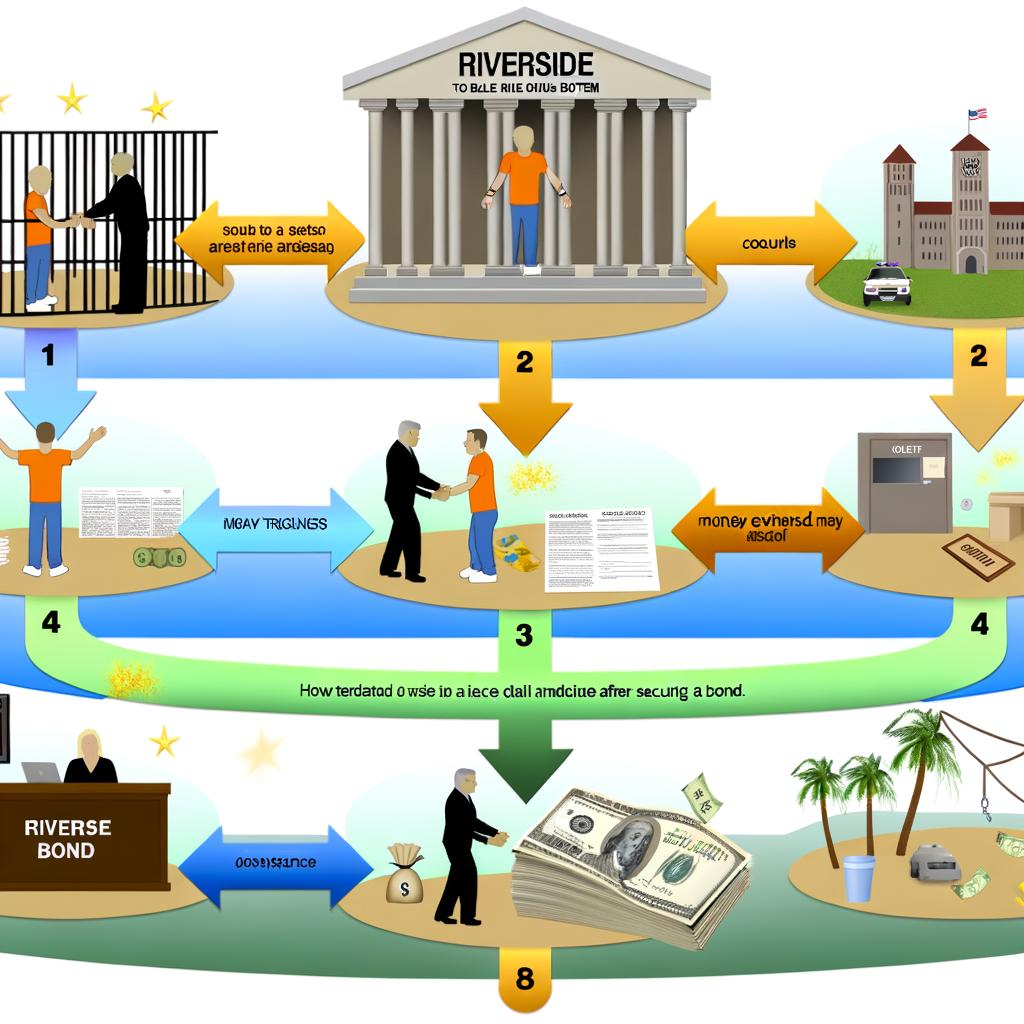
A Bond Bond is more than a repayment. It is a contract between 3 events: the defendant, the surety business, and the court. The bondsman, substituting the surety, guarantees the court that the full bail amount will be paid if the offender stops working to appear. In exchange, the defendant and frequently a cosigner agree to terms. Those terms normally consist of showing up in any way hearings, informing the bondsman of address modifications, and avoiding brand-new arrests. Some bail bondsmans include requirements like regular calls, in-person check-ins, or evidence of employment.
You will see a few typical records. The bond application collects personal information and referrals. The indemnity agreement makes the cosigner financially liable if something goes wrong and the bond is waived. A security invoice lists any type of pledged items, which can range from cash to automobile titles to acts. Check out these files. Ask about circumstances that set off added fees. Ask how the firm manages missed out on court dates due to a hospital stay or a recorded emergency. Reputable agents will answer straight and put explanations in writing.
Here is a simple method to consider the mathematics. Mean bail is evaluated 20,000 bucks. A bail bondsman charges a ten percent costs, or 2,000 bucks. You pay the 2,000 dollars and the person is released. If they make all looks and the instance finishes, the bond is vindicated and any collateral is launched. The 2,000 bucks premium stays with the bondsman as repayment for the threat and service. If the person falls short to appear and does not go back to court quickly, the court can forfeit the bond. The guaranty should pay the court the 20,000 dollars. The bondsman can after that seek the cosigner for repayment and may use a recovery representative to situate the defendant.
Fees, bonus, and the fine print
Many individuals focus on the premium and neglect the add-ons. Bond companies may bill an uploading fee to file paperwork at the prison or court house, a notary fee, a travel charge for late-night posts in backwoods, or a reinstatement fee if a bench warrant problems after a missed out on look and the bond need to be renewed. The overalls are seldom huge, yet they accumulate. A 2,000 dollars costs can come to be 2,350 bucks with the extras, and you will certainly not see that money again.
Collateral can be personal property or cash. Cash security is straightforward to make up, but automobile titles and real estate require even more diligence. See to it the title is clean, understand that liens or co-owners make complex matters, and obtain a created timeline for security release after exoneration. I have seen households go after a small company for weeks since a staff rested on a launch request. Larger agencies frequently have actually dedicated security divisions and even more predictable timelines, but they can be much less adaptable on fees. Small regional representatives may prolong payment plans based upon relationships, which helps when money is tight.
What takes place after release
Walking out of prison is a relief, however it is the begin of a longer process. A release packet will include the following court date and any type of problems. Problems can be as light as "obey all regulations" or as hefty as general practitioner surveillance, medicine screening, stay-away orders, and time limits. Going against a condition can threaten the bond even if there is no missed hearing. Keep files in one location. Put days into a shared calendar. If a timetable adjustments, tell both the court and the bondsman. Clerical mistakes do happen. A day can relocate after a courtroom closure, a court can call an earlier hearing, and a paper notification can obtain shed. A five-minute contact us to verify details can save the headache of a bench warrant.
If a court date is missed, call the lawyer and bondsman quickly. Lots of courts enable a brief home window to appear voluntarily and ask the court to remember the warrant. Bondsmen recognize the neighborhood habits and can assist you on whether to go straight to the staff's office or await a worked with appearance. Time is your close friend if you act within 24 to two days. After a much longer void, courts are much less forgiving, and reinstating the bond can require additional costs and even a new bond.
The function of public safety and security and plan reforms
Bail practices have been under examination for several years. Some states have actually moved toward risk-based launch systems that understate money bail for low-level offenses. Others maintain standard cash money bail structures yet expand pretrial solutions. Plan debates can be abstract, yet they form your individual alternatives. In an area with robust nonfinancial launch for low-risk accuseds, a newbie, nonviolent apprehension could lead to ROR with suggestions and check-ins. In a region where economic problems are still the primary device, the same person could encounter a 1,500 bucks bail that their household can not quickly pay. That is where Bail Bonds step in to connect the void, for a price.
Public safety issues also constrain end results. Allegations including tools, repeat offenses while on probation, or hazards against witnesses can cause detention without bail in some territories. Even when bail is permitted, expect higher amounts and more stringent problems. A bail bondsman can not force a judge to lower bond, and an attorney can not negotiate away statutory limitations. Recognizing these restrictions prevents false hope and channels power right into convenient strategies.
Choosing a bail bondsman you can trust
Not all bond agencies operate alike. Look for clear pricing, a physical office, and a certificate number you can validate with your state insurance policy or licensing division. Expert behavior issues. You desire a representative that answers the phone at 2 a.m. and describes procedures in simple language. Regional representatives who upload on a regular basis at the prison in question commonly relocate paperwork quicker. In some regions, an acquainted face at the window can shave hours off processing time because personnel know the agent's forms are complete.
Beware of warnings: pledges that seem as well very easy, refusal to supply written disclosures, stress to authorize quickly without analysis, or an unwillingness to go over overall expenses. Ask just how the company takes care of changes in court schedules. Ask if they give text tips, whether they have multilingual team, and just how they deal with co-signers that vacate state. Consider responsiveness, not just price. A little discount on a premium is not worth it if you invest the next 6 months chasing standard answers.
Responsibilities of cosigners and defendants
Cosigning a bond is a significant monetary dedication. If the offender stops working to appear and the bond is waived, the court will certainly seek the surety, and the surety will certainly seek you. That can suggest collection efforts, civil judgments, and taking security. Believe like a lending institution. https://los-angeles-90013.bearsfanteamshop.com/exactly-how-residential-situations-affect-bail-bond-approval Do you understand the individual well enough to believe they will appear? Do they have stable real estate and a telephone number that will not transform following week? Do they recognize the stakes?
Defendants should deal with bond conditions like a tightrope. Remain in touch with the lawyer and the bondsman. Maintain your address current with the court. If you prepare to take a trip outside the area, ask consent. If a new cost or arrest occurs while on bond, tell both your attorney and the bondsman immediately. I have viewed cases endure a brand-new violation with speedy disclosure and a revised plan, and I have actually viewed bonds collapse because an accused attempted to hide a weekend apprehension for driving on a suspended license.
The cost-benefit question: money versus bond
Families often ask whether they ought to scuff together money for complete bond or pay a non-refundable premium for a bond. There is no global solution. For a 1,000 bucks bond, paying cash makes sense. You need to get a lot of that back when the instance finishes. For a 20,000 dollars bond, the expense of a bond could be 2,000 bucks. If you have the 20,000 bucks fluid and will not require it for rental fee, legal charges, or emergency situations, publishing cash can conserve money. If locking up 20,000 dollars for months would threaten your stability, paying the costs might be the saner option. Additionally take into consideration the attorney's retainer, which usually comes due around the exact same time. A well balanced technique may involve bargaining the costs, setting up a payment plan, and protecting liquidity for lawful method and daily life.
When things go wrong, and exactly how to recover
Mistakes happen. An accused forgets a court day after a shift adjustment. A mailed notification is misdelivered. An illness intervenes. The most awful move is silence. The fastest course to a repair is to call the lawyer and bail bondsman, collect evidence, and get in front of a court quickly. Courts normally favor voluntary appearances over apprehensions, and documents can change outcomes. A screenshot of a clinic go to, verification from an employer, or evidence of a brand-new address can transform a bench warrant right into a restored bond with a demanding caution. Delay the telephone call, and you raise the probabilities of a custodial arrest at home or throughout a web traffic stop, leading to additional costs and more challenging conversations.
I once watched a boy avoid a spiral due to the fact that his cousin called the bondsman within hours of the blunder. The bail bondsman contacted the clerk to validate an open calendar port, the legal representative prepared a brief motion, and the court restored the bond without additional premium. That very same judge had actually revoked another bond later that morning after a week of no get in touch with and a lightweight reason. Rate and sincerity matter.
Special cases: juveniles, immigration holds, and numerous jurisdictions
Juvenile instances generally do not involve conventional cash bond. Detention choices hinge on threat and supervision strategies, and release commonly rests on a moms and dad or guardian's involvement. That claimed, problems can be strict, consisting of time limits and institution attendance demands. Job closely with the adolescent defender's office and ask about community-based alternatives that please the court's concerns.
Immigration holds complicate everything. If an individual has an ICE detainer, posting bail in the criminal case could lead to move to federal guardianship instead of release. Method becomes a three-dimensional puzzle. Coordinate with a criminal defense attorney and an immigration attorney before uploading. Occasionally awaiting a joint approach makes certain the individual does not bounce between systems.

Multiple jurisdictions create piling problems. An individual apprehended on a neighborhood cost while having an open case in an additional area or state may encounter holds from both. Publishing one bond may not free them. Validate all holds via the prison and the clerk's workplace. An excellent bondsman will assist track these down, yet a lawyer's office is the far better center for legal strategy throughout cases.
How long the process takes, from posting to release
Once a bond is posted, launch is seldom rapid. In a well-staffed region jail, release can happen within 2 to 6 hours. Fridays and vacations slow-moving everything. Some centers call for two independent confirmations and manager sign-off, and a shift change includes lag. A practical psychological model assists. If you post at 9 a.m., expect mid-afternoon. If you publish at 9 p.m., expect early morning. Representatives that work a specific prison frequently recognize its rhythms. They can tell you if the paperwork window closes at twelve o'clock at night, or if the finger print system is down and causing delays.
Practical checklist for worried families
- Verify costs, scheduling number, and following court day straight with the prison or on-line prisoner locator, after that compose them down. Decide whether to pursue money bond, a Bail Bond, or launch on recognizance after talking to a defense lawyer about most likely outcomes. If utilizing a bail bondsman, confirm the costs, all charges, collateral terms, and check-in needs in composing before signing. Capture every court day in a common calendar and arrange transportation and time off work in development, with backups. Maintain energetic communication amongst the defendant, lawyer, and bail bondsman, specifically for any type of adjustment of address, employment, or schedule.
Working with protection counsel
Even if the case seems minor, an attorney's very early involvement can change the bond landscape. Lawyers can seek a bail testimonial if the preliminary amount is excessive, propose nonfinancial problems, or request a monitored launch port with pretrial services. They can also push back on clerical blunders and supporter for bond reinstatement after a missed out on day. Lots of public protector workplaces relocate promptly at the front end, and their experience with specific judges is important. Personal advise typically bring versatility and time for much deeper background work, like collecting letters from companies or arranging therapy intake that reassures the court.
Coordinate charges. If money is limited, ask the lawyer and bail bondsman about presented repayments. Some attorneys will discount the retainer if a client comes prepared with files on day one. Prep work is underrated: a folder with ID copies, evidence of house, pay stubs, and a listing of recommendations quicken everything from bond arguments to release paperwork.
Myths that cause preventable trouble
One prevalent misconception is that paying a costs assurances kindness later. It does not. The bond has to do with appearance, not sentencing. Another is that security can not be touched if the defendant just misses out on one hearing. A missed hearing that results in forfeiture can activate collateral cases, also if the situation itself is minor. A 3rd myth is that tiny violations, like traveling to a surrounding area without authorization, are not taken seriously. Judges differ, therefore do bail bondsmans. Breaking conditions invites analysis you do not need.
On the silver lining, some people think they need to wait on a lawyer before talking with a bondsman. You can run these in parallel. Simply stay clear of going over the truths of the alleged offense with any individual but your legal representative. Stick to logistics with the bondsman: identity, call information, employment, and scheduling.
Planning for the endgame
The bond's life ends when the case closes or the court otherwise exonerates it. That can be after a dismissal, a plea and sentencing, or an acquittal. Exoneration is not always automatic at the specific moment an instance finishes. Staffs process heaps of orders at the end of the day. A bondsman can push the process by submitting a notification and tracking the exoneration order. Watch on security launch. Request confirmation in creating. Store every receipt and order until the security is back in hand. If a refund of cash money bond is anticipated, verify the mailing address and whether the court provides a check or electronic transfer. Do not think speed. 2 to eight weeks is common, and much longer is not unusual after vacations or system upgrades.
A second and final list: what to ask before you sign
- What is the total out-of-pocket price today, and what additional costs can arise later on under particular scenarios? What are the specific problems of the bond, including check-ins and travel constraints, and just how are pointers handled? How is collateral saved, when is it returned after exoneration, and what is the timeline in writing? If a court day is missed because of an emergency, what are the steps, target dates, and costs to reinstate the bond? Who will certainly be my everyday call, and what are their hours, telephone number, and backup strategy after hours?
The human side of an impersonal system
Bail rests at the crossway of threat, depend on, and logistics. The court house talks in forms and procedures, yet the experience is personal. Individuals miss out on work to emerge. Youngsters need child care at 6 a.m. Uber rides add up. A bail bondsman might drive paperwork throughout town on a rainy night, and that tiny act shaves 4 hours off release. A notary that responds to the phone and checks a docket conserves you from a squandered morning. Tiny, useful choices compound.
If you find on your own in the function of helper, be the calm center. Compose names and numbers. Validate days. Ask simple, direct inquiries. Take note of trade-offs, particularly in between cash money accessible and non-refundable premiums. Use Bail Bonds when they give accessibility you could not otherwise manage, and utilize them with your eyes open. Succeeded, the bail procedure ends up being convenient. It is challenging, and it is not low-cost, however with a clear strategy and sincere interaction, it comes to be something you can navigate rather than something that steamrolls you.
ABBA Bail Bonds 900 Avila St STE 101 Los Angeles, CA 90012 (213) 296-0901 https://abbabailbonds.com